Exhibitions
The IAIA Museum of Contemporary Native Arts (MoCNA) is the country’s only museum for exhibiting, collecting and interpreting the most progressive work of contemporary Native artists. MoCNA is dedicated solely to advancing the scholarship, discourse and interpretation of contemporary Native art for regional, national and international audiences. As such, it stewards the National Collection of Contemporary Native Art, over 9,500 artworks in all media created in 1962 or later. MoCNA is at the forefront of contemporary Native art presentation and strives to be flexible, foresighted and risk-taking in its exhibitions and programs. MoCNA is located in the heart of downtown Santa Fe, New Mexico.
Current and Upcoming Exhibitions
A listing of current and upcoming exhibitions at the IAIA Museum of Contemporary Native Arts (MoCNA).
List of Events
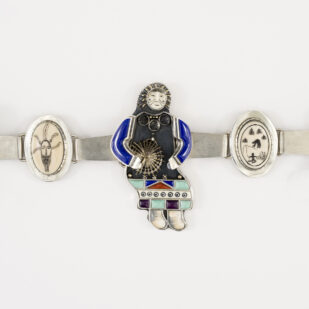
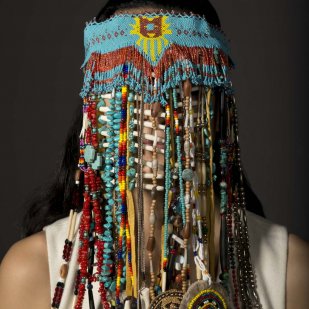
The Stories We Carry
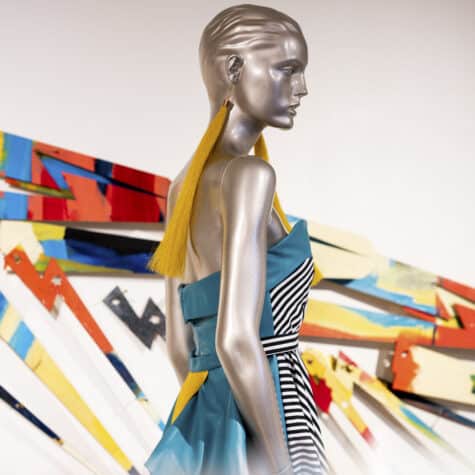
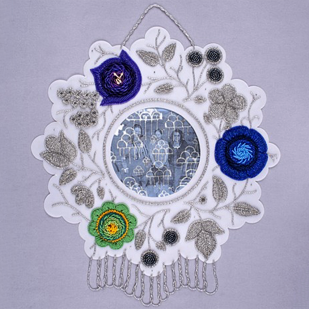
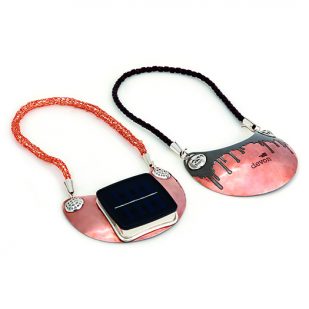
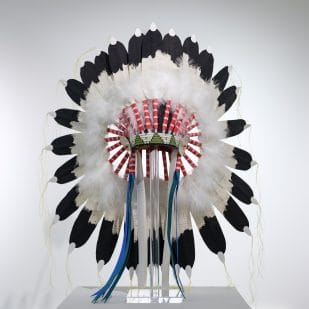
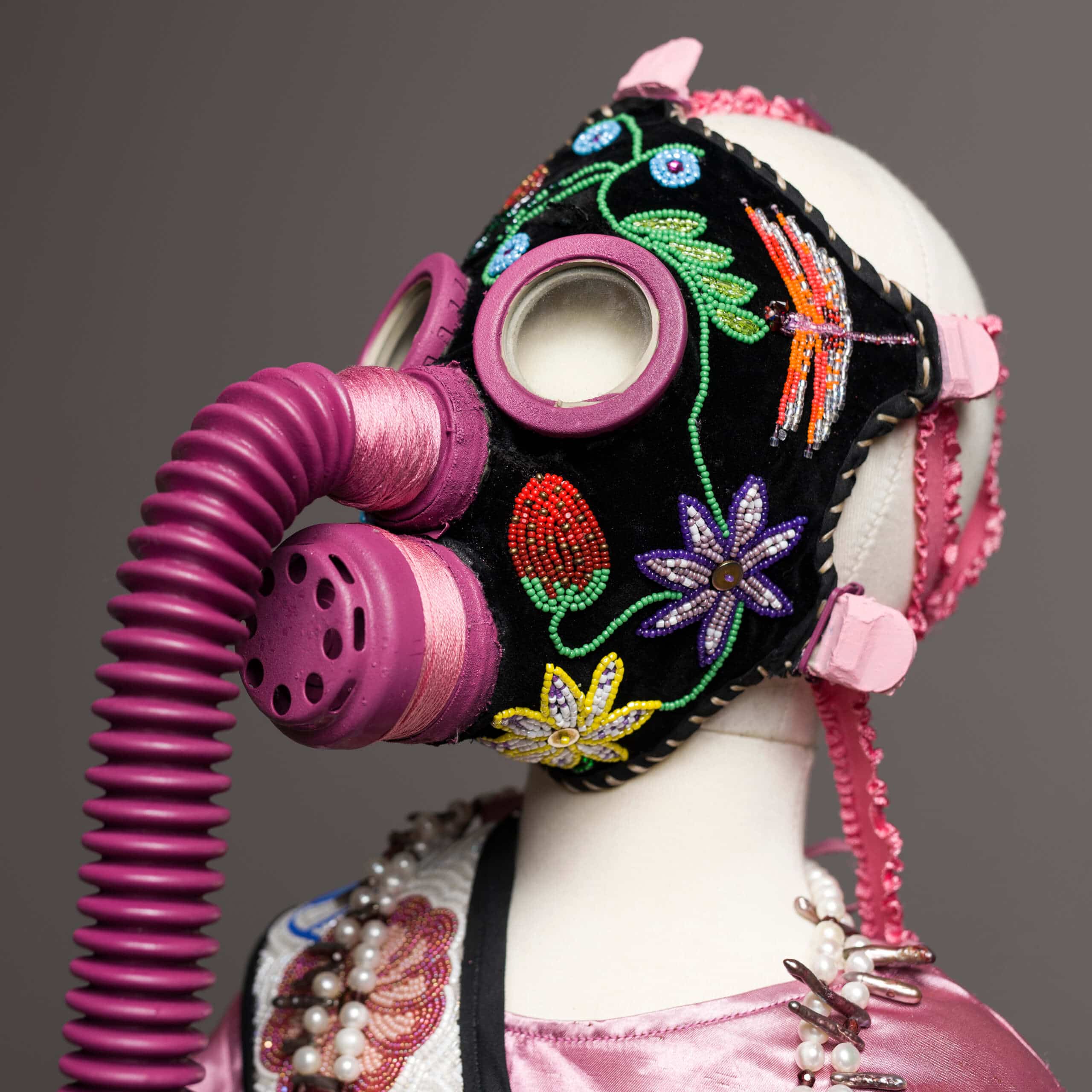
The Stories We Carry features contemporary jewelry created by more than 100 Indigenous artists across decades stewarded by the MoCNA permanent collection.
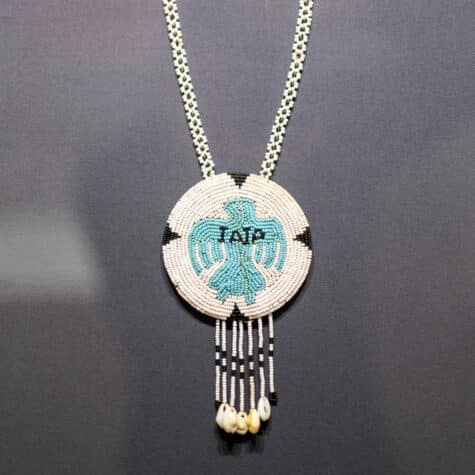
Our Stories
Our Stories is a companion to The Stories We Carry exhibition, located adjacent to the Kieve Family Gallery.
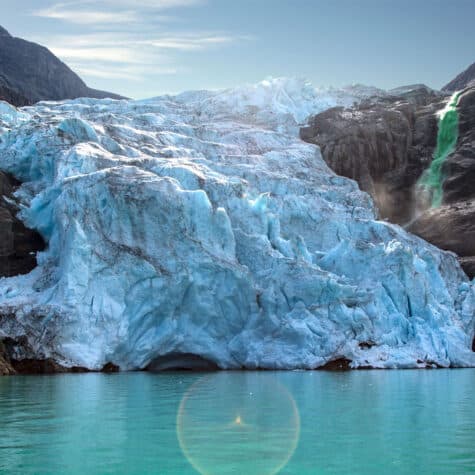
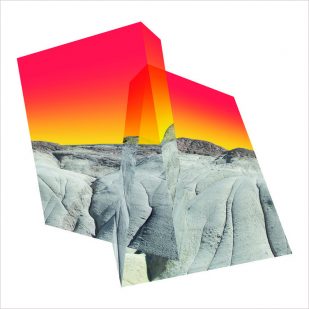
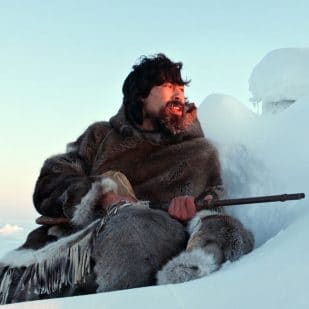
Inuk Silis Høegh: Arctic Vertigo
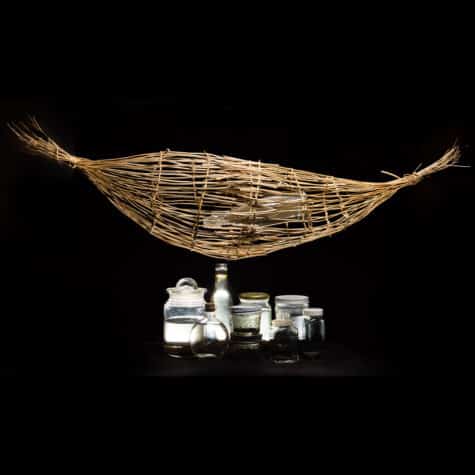
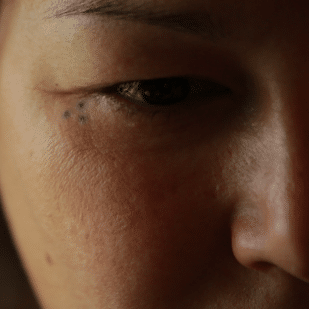
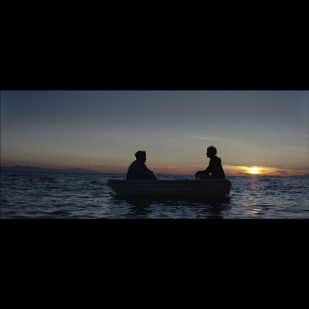
Inuk Silis Høegh: Arctic Vertigo analyzes the Inuit artist’s experimental and interdisciplinary art practices, while challenging stereotypes and addressing environmental issues.
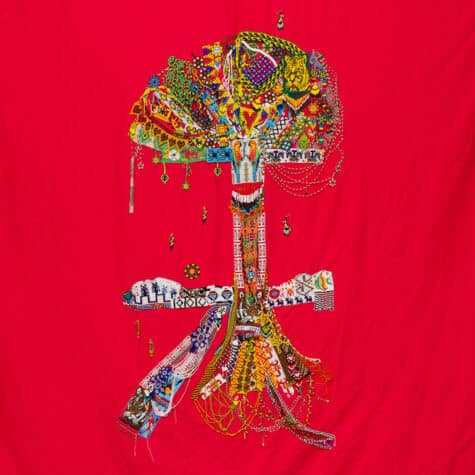
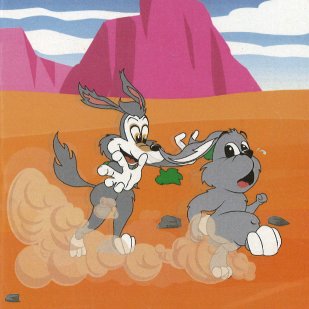
Womb of the Earth: Cosmovision of the Rainforest
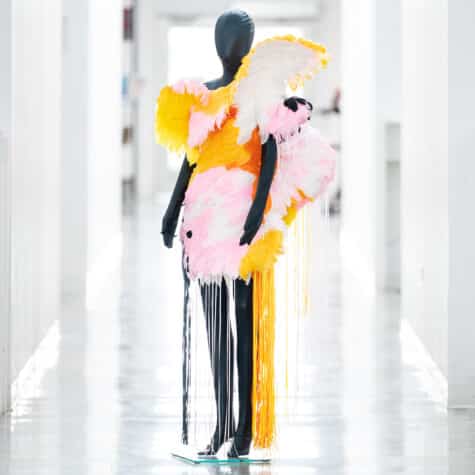
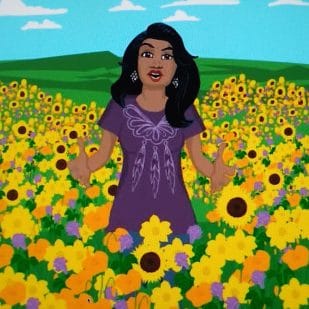
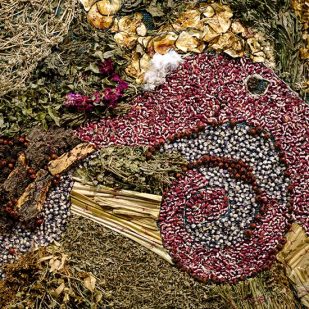
Womb of the Earth: Cosmovision of the Rainforest gives Brazilian Indigenous female artists an opportunity to share their art with a wider audience and to voice their concern about challenges their communities face.
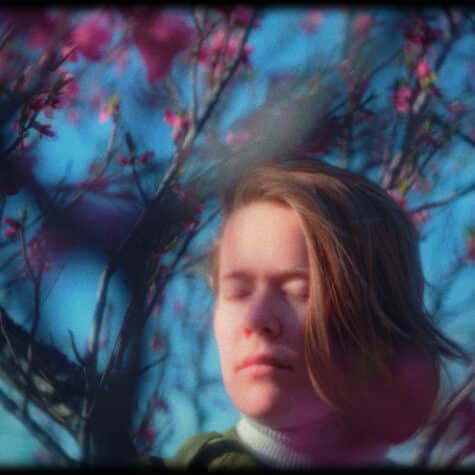
2023–2024 IAIA BFA Exhibition: Indigenous Presence, Indigenous Futures
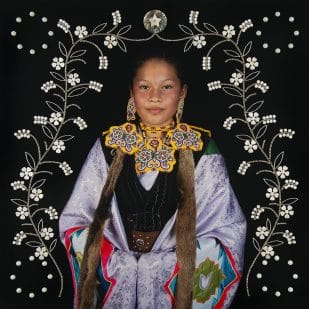
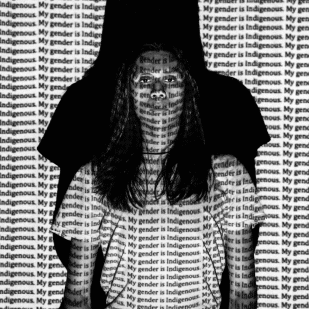
Indigenous Presence, Indigenous Futures aims to show how IAIA’s BFA seniors honor the future as much as the past.
Past Exhibitions
A listing of past exhibitions at the IAIA Museum of Contemporary Native Arts (MoCNA).
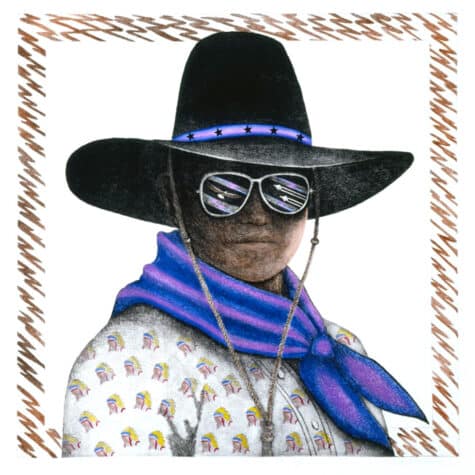


Murals
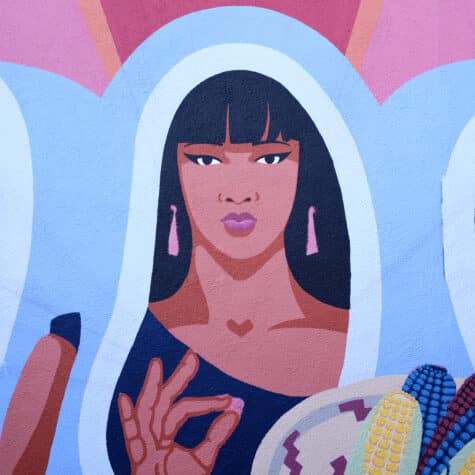
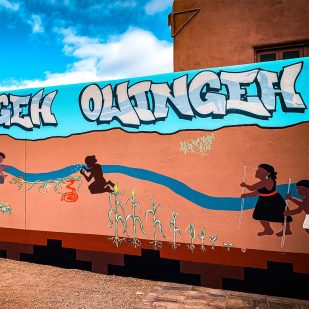
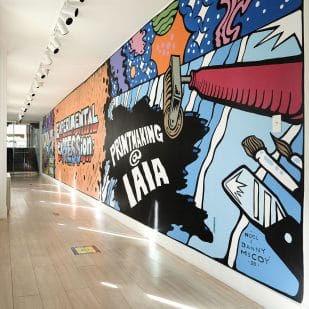
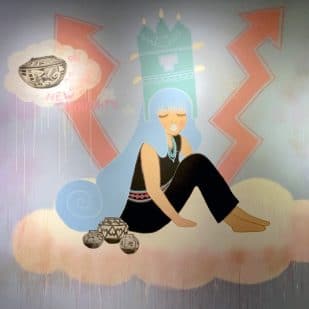
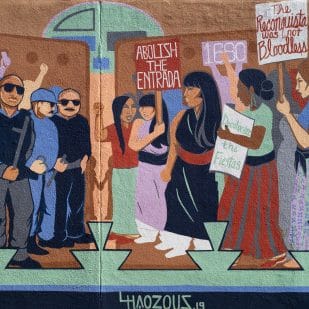
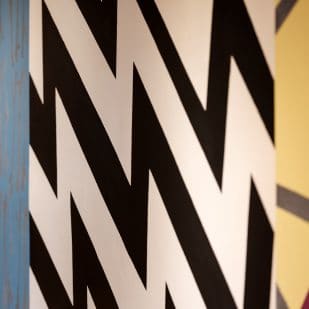
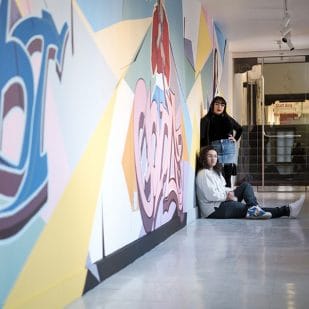
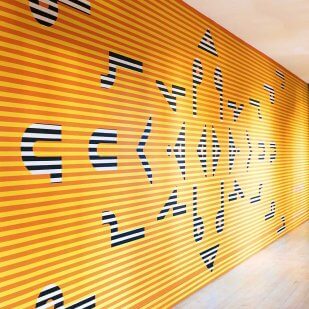
A listing of current and upcoming murals at the IAIA Museum of Contemporary Native Arts (MoCNA).
Current and Upcoming Murals
A listing of murals at the IAIA Museum of Contemporary Native Arts (MoCNA).
Past Murals
A listing of past murals at the IAIA Museum of Contemporary Native Arts (MoCNA).

Anne and Loren Kieve Gallery
Anne and Loren Kieve Gallery
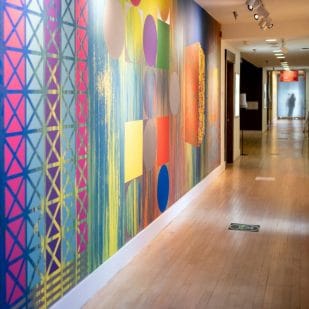
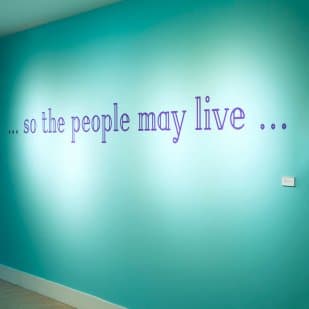
The Anne and Loren Kieve Gallery rotates national and international cutting-edge contemporary Native art exhibitions two times a year (January to July and August to December). Loren Kieve (Cherokee) has served as an IAIA Trustee since 1994. Anne Kieve, an architect by training, share’s Loren’s love of art and support for IAIA’s mission to advance contemporary Native arts.
Lloyd Kiva New Gallery
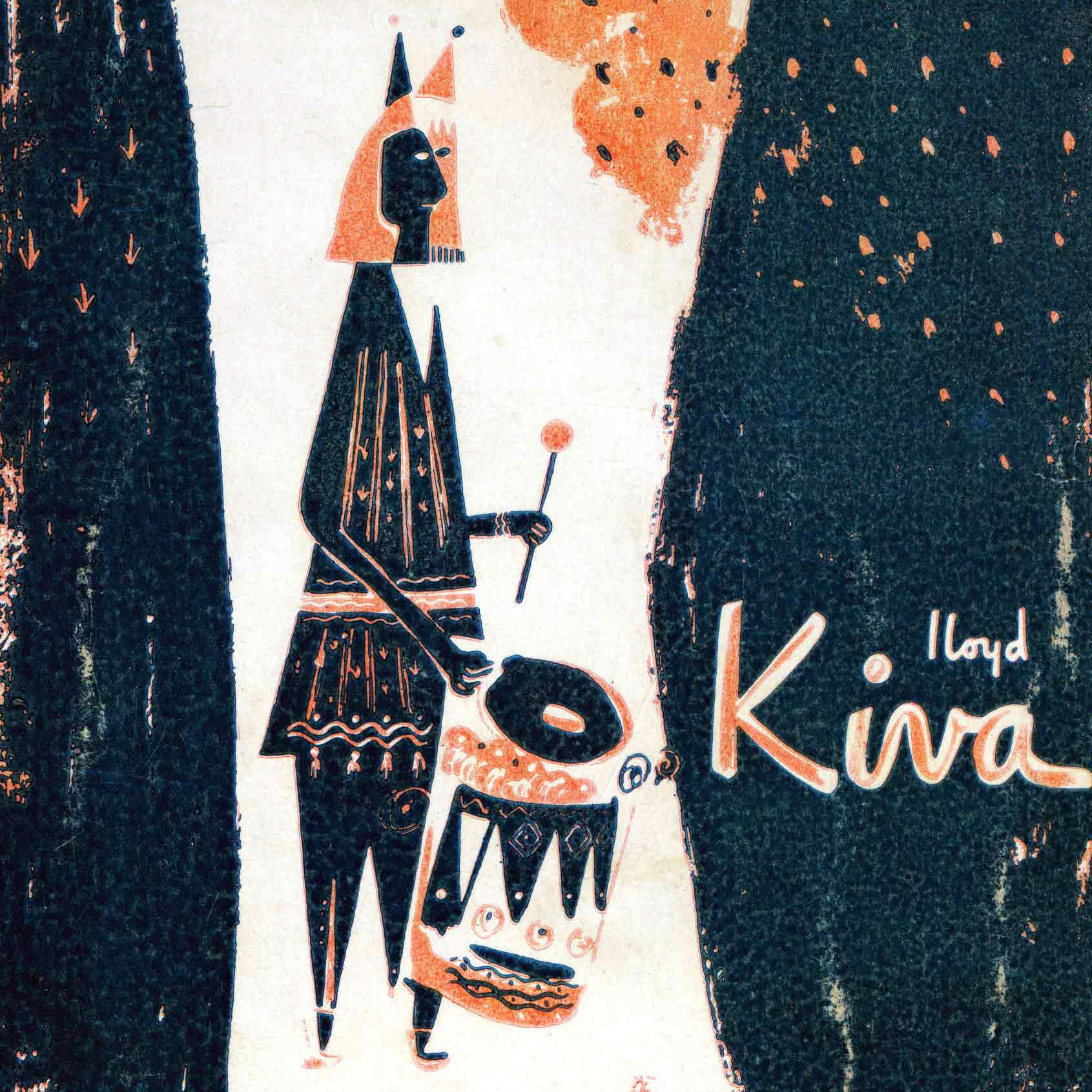
Sponsored by The Martha Ann Healy Family Foundation Lloyd Kiva New (1916–2002) was born February 18, 1916 in Oklahoma, of Cherokee and Scotch-Irish heritage. Kiva New graduated from the Art Institute of Chicago in 1938 and later served in the U.S. Navy during World War II. He worked with Southwest Indian Arts Project at the University of Arizona and was a co-founder of the Institute of American Indian Arts. Kiva New served as IAIA president from 1967 to 1978, and in many other important roles at the school through 2002. Lloyd recalled his mother with great affection and was inspired by the freedom and support she gave him to seek that which was in his heart and soul as a person, a Cherokee and an artist. He was a visionary in the fullest sense. He passed away in 2002.
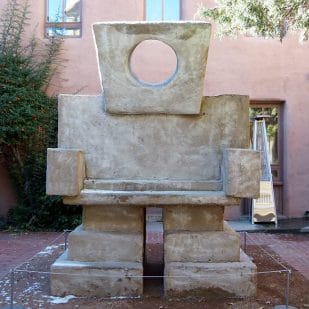
Allan Houser Art Park
Allan Houser (1914-1994), is one of the most renowned Native American painters and Modernist sculptors of the twentieth century. He was the son of Sam and Blossom Haozous from Fort Sill Apache, a Chiricahua Apache tribe in Oklahoma. Houser left Oklahoma at the age of 20 to study at Dorothy Dunn’s Art Studio at the Santa Fe Indian School in New Mexico. A top student, Houser had a rich history upon which to draw and made hundreds of drawings and canvases. His primary skill as a draftsman is evident in the astounding volume of work that was left behind in the Allan Houser Archive, located at the Houser family compound and sculpture garden in southern Santa Fe County, New Mexico. With over 6,000 images left behind, one can trace the remarkable output and varied subject of an artist who began all of his creations, including paintings and sculptures, with the act of hand to paper. Houser was an instructor at the Institute of American Indian Arts.
Fritz Scholder Gallery
Fritz Scholder (1937-2005) born in 1937 in Breckenridge, Minnesota, was an enrolled member of the Luiseño tribe. A student of Oscar Howe, a noted Sioux artist, Scholder pursued his art career and graduated with a master of fine arts degree in 1964. His best-known works, recognized for their insight and powerful commentary on publicly held stereotypes of Native Americans, were what propelled Scholder into a position of prominence as an artist. Scholder was an instructor in advanced painting and contemporary art history at the Institute of American Indians Arts.
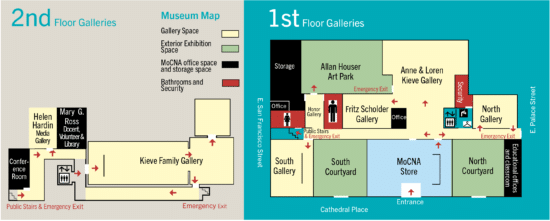
IAIA Museum Layout
Helen Hardin Gallery
Helen Hardin / Tsa-Sah-Wee-Eh (Little Standing Spruce) (1943-1984) was one of the most fascinating and engaging figures in the American Indian art world of the twentieth century. She was born in Albuquerque, New Mexico, the daughter of celebrated Santa Clara Pueblo artist, Pablita Velarde. Her art was one of definitive struggle: to capture, hold, and relish those aspects of her native heritage yet depart from the Santa Fe/Dorothy Dunn School. Her work was concerned with the intellectual and physical struggle of her very existence, the struggle of woman versus man, patron versus artist, Indian versus Anglo, tradition versus progression, an art of complexity and timeless beauty, a forward looking art yet rooted firmly in the ancient past. Hardin died before her time of cancer in 1984.
Kieve Family Gallery
In 2010 the IAIA Museum of Contemporary Native Arts (MoCNA) relocated its Collection of Contemporary Native Arts to the Barbara and Robert Ells Science and Technology Building on the IAIA campus. This move increased the museum’s exhibition capacity by nearly one-third. As a result of a generous gift from Anne and Loren Kieve (Cherokee) in honor of their parents Pauline and Rudolph Kieve and Ruth and David Hughes and their love for art, the Museum opened a new wing on the second floor to showcase its permanent collection on August 21, 2015. Loren Kieve is Chairman of the Board of Trustees for IAIA. Drawing from the strength and diversity of the permanent collection, the works enable us to see the world through different eyes and highlight the role of the visionaries in IAIA’s history, who forged new paths that we continue to follow.
Submission of Exhibition Proposals
Submissions are reviewed periodically by the director and curator, and will be evaluated in light of the quality, scope, and scale of the work, as well as the gallery’s mandate and program priorities. Submissions are received at any time—there are no deadlines.
Submissions should include the following:
- A curatorial statement and/or description of the exhibition proposed
- A resumé
- A selection of digital images or slides of the work to be exhibited (or past work), accompanied by a descriptive list
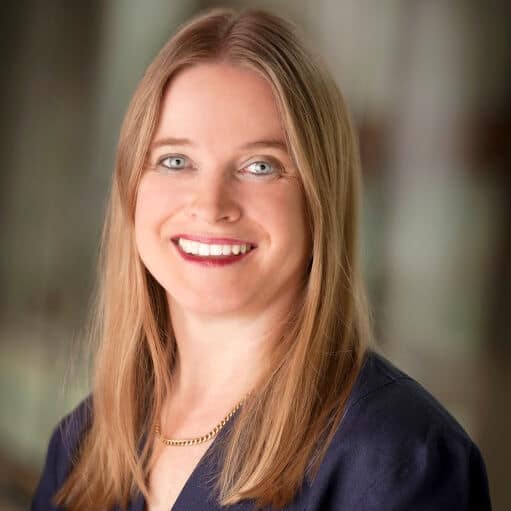
Manuela Well-Off-Man
Chief Curator
IAIA Museum of Contemporary Native Arts
P (505) 428-5922
E manuela.well-off-man@iaia.edu
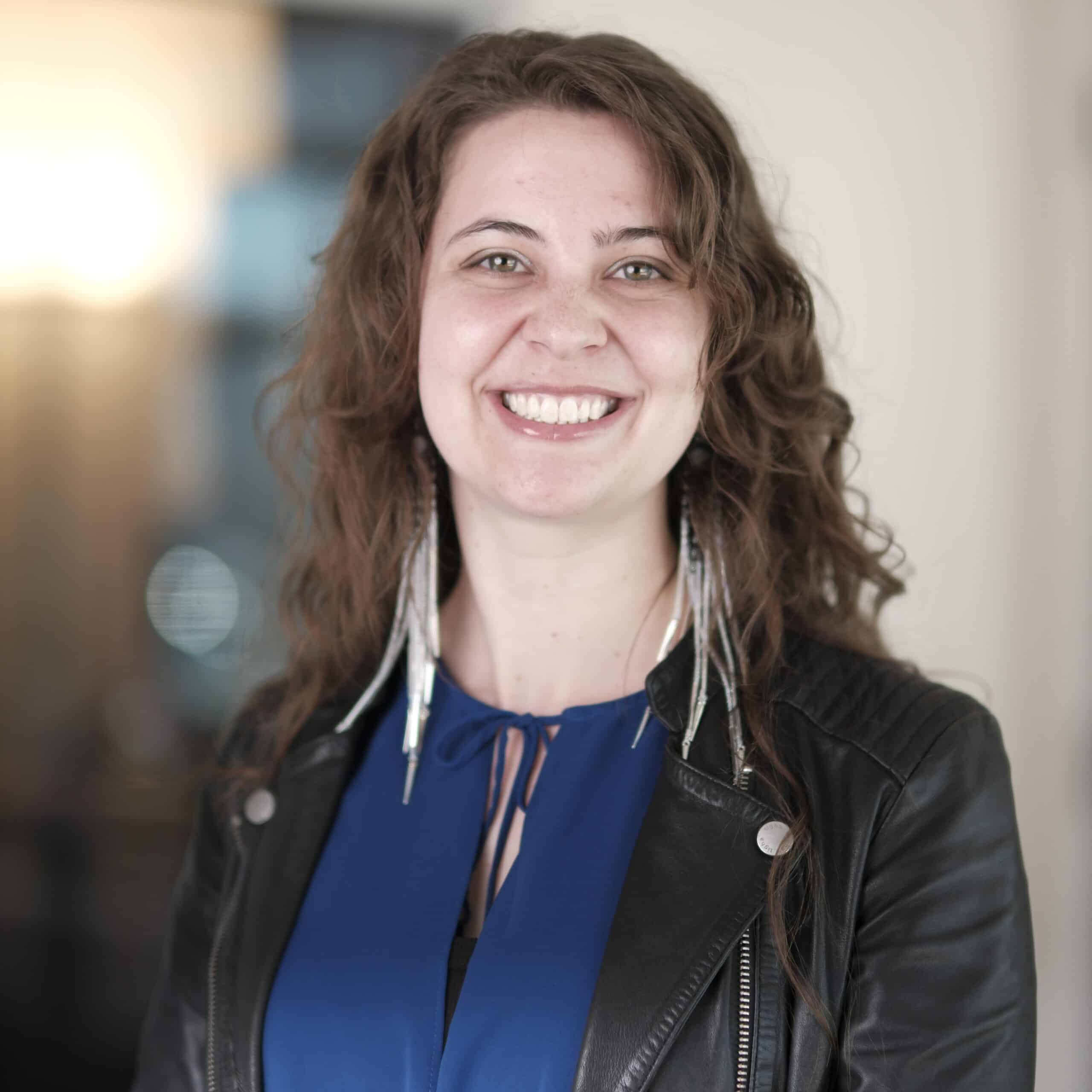
Erika Knecht
She/Her/Hers
Curatorial Assistant
IAIA Museum of Contemporary Native Arts
P (505) 428-5927
E eknecht@iaia.edu